Recommended Posts


Walk among rails and history [EN/ES]
6 comments

English Version
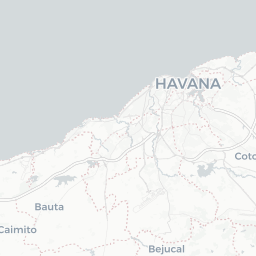
Walks are always a good moment to relax, keep ourselves present, and notice the common things that we normally pass by and that almost always seem natural to us since we always see them in the same places, so we almost never pay them true attention. In this Wednesday Walk publication I come to show an area known as the elevated, a segment that remains from the railway line that crossed this part of the city and that is found bordering the Port of Havana.


These lines were built on a metal structure that rises from the ground in order to facilitate the passage of vehicles through the street that goes underneath and so that the tram could move without obstructing the maneuvers of the port. They were raised in the first years of the past century and although the tram in Cuba has long ceased to exist, these structures still remain with their worn wooden rails as witnesses of its passage through the streets of Havana.
If we stop under this great metal structure and look to where the lines seem to collide in the distance, the view turns out to be astonishing. I can only imagine how it would have been to contemplate this landscape from a higher altitude, with the bay of Havana extending to one side and the city to the other. I would have loved to live in that time and ride in one of those trams.


Today the walk is also enjoyed, but from another perspective. For me it is always pleasant to walk by the sea, so I approached the fence that protects the entrance of the port and took some photographs of the boats that rested there.


It was a quiet walk and above all different, since I did not remember having passed through this area walking. The route was long but it allowed me to discover new corners, observe details that usually go unnoticed, and feel that even in the most everyday places, there is always something that surprises us.

I hope you have enjoyed the images as much as I did the walk.
Cheers, and until next time!
Estas líneas fueron construidas sobre una estructura de metal que se eleva desde el suelo a manera de facilitar el paso de los vehículos por la calle que pasa por debajo y para que el tranvía pudiera desplazarse sin obstaculizar las maniobras del puerto. Se levantaron en los primeros años del pasado siglo y aunque el tranvía en Cuba hace mucho tiempo que dejó de existir, aún permanecen estas estructuras con sus desgastados rieles de madera como testigos de su paso por las calles habaneras. Si nos detenemos bajo esta gran estructura de metal y miramos hasta donde las líneas parecen chocar en la distancia, la vista resulta asombrosa. Solo puedo imaginar cómo habría sido contemplar este paisaje desde una altura superior, con la bahía de La Habana extendiéndose hacia un lado y la ciudad hacia el otro. Me hubiera encantado vivir aquella época y montar en uno de esos tranvías. Hoy también se disfruta del paseo, pero desde otra perspectiva. Para mí siempre es agradable caminar junto al mar, así que me acerqué al cercado que protege la entrada del puerto y tomé algunas fotografías de las embarcaciones que descansaban allí. Fue un paseo tranquilo y sobre todo diferente, ya que no recordaba haber pasado por esta zona caminando. El recorrido fue largo, pero me permitió descubrir rincones nuevos, observar detalles que suelen pasar desapercibidos y sentir que incluso en los lugares más cotidianos, siempre hay algo que nos sorprende. Espero que hayan disfrutado de las imágenes tanto como yo del recorrido. Un Saludo, ¡y hasta la próxima!
Versión en Español
Los paseos siempre son un buen momento para relajarnos, mantenernos presentes y notar las cosas comunes por donde normalmente pasamos de largo y que casi siempre nos parecen algo natural ya que siempre las vemos en los mismos sitios, por lo que casi nunca les prestamos verdadera atención. En esta publicación de Paseo de miércoles vengo a mostrar una zona conocida como los elevados, un segmento que se mantiene de la línea de ferrocarril que atravesaba esta parte de la ciudad y que se encuentra bordeando el Puerto de La Habana.



Comments